Honoring the Final Journey: Social Fabrics and Cultural Customaries in India
Wiki Article
Within the vibrant subcontinental heritage of India, customs dedicated to celebrating a completed life stand as a timeless testament to community devotion. In every corner of the subcontinent, the rites dedicated to paying final respects are rich with regional artistry, historical significance, and intricate social customs. Moving beyond individual grief, these practices establish a lasting connection, reinforcing family bonds, strengthening neighborhood networks, and preserving ancestral etiquette. Dead Body Transportation in Delhi Indian society approaches the honoring of the departed with warm hospitality and deep cultural devotion. From the vibrant rural villages to the bustling urban centers, the collective gathering of relatives, neighbors, and friends underpins every step of the cultural farewell. These time-honored practices offer a meaningful space through which communities offer mutual support, demonstrate respect for elders, and celebrate the enduring influence of a person's life legacy. The quiet period immediately after a farewell are spent in thoughtful, dignified preparation. Loved ones lovingly execute time-honored home traditions that have been refined over centuries. The individual is wrapped in pristine ceremonial textiles that reflect regional dress customs. Simple white clothing remains the classic preference, representing equality, calm reverence, and timeless grace. Among various ethnic lineages, garments with decorative embroidery or regional dyes are selected to celebrate an elder's wisdom and societal contributions. Flowers hold a deeply meaningful place in these preparations. Vibrant arrangements of native blossoms are layered gracefully upon the resting platform. These colorful arrangements represent more than mere visual beauty; they represent the vibrant beauty of life and the honor bestowed by the family. The delicate use of natural sandalwood, rosewater, and native herbs ensures an environment of supreme dignity, freshness, and cultural charm. Among the most celebrated social features of these traditional farewells is the organized neighborhood procession from the household to the local ceremonial grounds. Known across various regions as a procession of honor, this movement through public space transforms private grief into a shared community event. Fellow villagers and urban neighbors join together in front of the family home, wearing simple white traditional attire to demonstrate solidarity and visual harmony. The loved one rests upon a traditional litter assembled from natural materials, covered with decorative cloths and floral wreaths. As the procession moves through the streets, participants share the responsibility of bearing the weight. This physical act of sharing the weight is a profound gesture of social unity, showing that the entire neighborhood shares the family's burden. Across numerous localities, the gentle chiming of bells and melodic flutes accompanies the procession, creating a rhythmic and dignified atmosphere that informs the local district of a completed life journey. The extraordinary variety of Indian heritage is clearly visible in the varied funeral customs observed across different geographical regions and ethnic groups. Even as mutual respect and community participation stay identical throughout, the outward ceremonial forms adapt uniquely across different climatic, geographic, and cultural zones. Following the primary ceremonial rites, Indian cultural heritage dictates a structured period of home-based remembrance, generally spanning ten to thirteen days. During this timeframe, the domestic residence serves as a welcoming venue for guests arriving from nearby and far-off locations who arrive to offer support, food, and companionship. Receiving guests with warmth remains a top priority. Simple, nutritious vegetarian meals are prepared daily in large quantities so every guest is comfortably welcomed and nourished. Sharing food in this manner encourages warm fellowship, helps visitors reflect on the individual's positive contributions, and ensures that the grieving household is fully supported with daily necessities by the broader social network. The conclusion of the primary formal gathering period features a generous community gathering. Senior relatives recount the person's life history, good deeds, and values, passing down valuable life lessons to youth. Acts of charitable giving—like sponsoring student materials, sharing food with local shelters, or donating textiles—are traditionally performed in honor of the departed, reinforcing the value of community service and social responsibility.
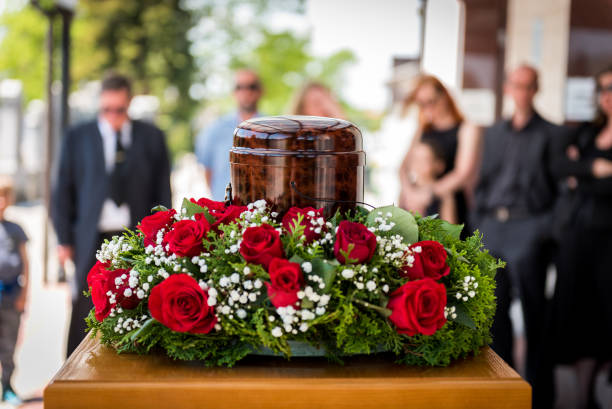
Loving Preparation and Aesthetic Elegance
The White Procession: Community Solidarity in Motion
Element
Material Used
Cultural Significance
Attire
Simple White Cotton Garments
Symbolizes social equality, peace, and community unity.
Resting Platform
Natural Bamboo and Rattan
Reflects connection to nature and traditional craftsmanship.
Garlands
Fresh Marigolds, Lotus, and Roses
Expresses high regard, warmth, and artistic beauty.
Aromatics
Cooling Sandalwood and Rose Essence
Offers a fresh, dignified atmosphere.
Subcontinental Diversity in Farewell Customs
Kallahalli Crematorium Regardless of whether the final rites use natural earthen placement or traditional fire settings, the focus remains steadfastly on the cultural heritage of offering the individual back to nature's elements in a manner that honors the land and traditional environmental philosophy.
Gatherings of Remembrance and Community Care
Conclusion: An Enduring Legacy of Respect
Wilson Garden Electric Crematorium The funeral customs of India offer a rich tapestry in community togetherness, textile art, and social respect. By handling personal farewells with public grace and communal support, these practices highlight the power of family bonds and social networks. Through beautiful floral arrangements, white-clad processions, regional artistry, and generous hospitality, communities across India pay magnificent tribute to their elders and keep their rich social fabric alive for years to come.